Tag: Weight goals

  • Smart Snacking: Healthy Bites for Your Window

    Smart Snacking: Healthy Bites for Your Window

    The best nutrient-dense snacks to enjoy between meals during your eating window without spiking blood sugar.

    Snacking with Purpose

    If you need a bridge between your main meals, choose snacks that provide protein, healthy fats, fiber, or other nutrients to help support steady energy and fullness.

    Top 4 Feeding Window Snacks

    1. Raw Nuts & Seeds:
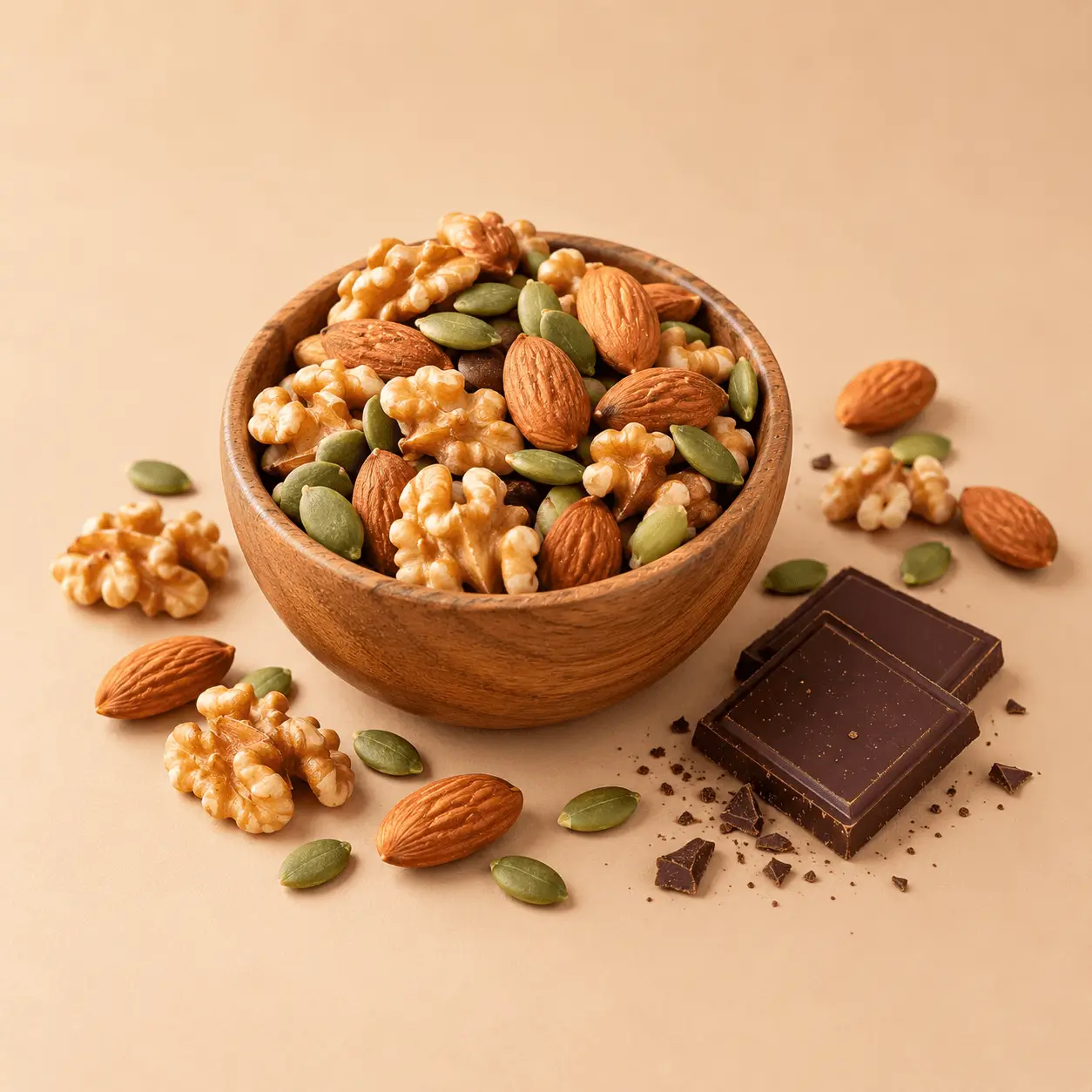
      Walnuts, almonds, chia seeds, and similar options provide healthy fats, fiber, and plant-based nutrients. Keep portions moderate because they are calorie-dense.
    2. Hard-Boiled Eggs:
      Eggs provide complete protein, choline, and other essential nutrients, with minimal carbohydrates.
    3. 85%+ Dark Chocolate:
      Dark chocolate with a high cocoa content provides cocoa polyphenols and can be enjoyed in moderation. Choose varieties with minimal added sugar.
    4. Greek Yogurt with Berries:
      Greek yogurt provides protein, while berries add fiber and antioxidants. Choose unsweetened yogurt when possible. 🍓

  • Cold Showers & Fasting: The Brown Fat Activation

    Cold Showers & Fasting: The Brown Fat Activation

    How pairing brief cold exposure with a fasted state stimulates brown adipose tissue to burn more calories.

    Activating Brown Adipose Tissue

    Brown adipose tissue (BAT), or brown fat, produces heat by using energy, unlike white adipose tissue, which primarily stores energy. BAT activity is influenced by factors such as cold exposure, hormones, and overall metabolic health.

    The Potential Effects

    • Fasting and Norepinephrine: During fasting, changes in hormones such as norepinephrine may support the mobilization of stored energy and influence brown fat activity.
    • Brief Cold Exposure: A short period of cool or cold exposure can stimulate heat production and increase brown fat activity. However, the effect on overall daily calorie expenditure is relatively small.
    • Metabolic Health: Cold exposure and increased brown fat activity have been associated with changes in glucose and energy metabolism, but this should not be viewed as a guaranteed way to improve insulin sensitivity or cause significant fat loss.

    Note: Cold exposure is not necessary for healthy weight management. Avoid sudden or prolonged cold exposure if you have cardiovascular conditions or other health concerns, and stop if you feel unwell. ❄️

  • Exercising While Fasted: Fat Loss or Fatigue?

    Exercising While Fasted: Fat Loss or Fatigue?

    How to properly schedule cardio and strength training workouts relative to your fasting and eating windows.

    Working Out on an Empty Stomach

    Can you exercise while fasting? Yes. However, the best approach depends on your workout intensity, duration, fitness level, and individual tolerance.

    Zone 2 Low-Intensity Cardio

    Walking, light jogging, and cycling can generally be performed during a fast if you feel comfortable. Lower insulin levels during fasting may increase the proportion of energy coming from fat, although this does not necessarily result in greater long-term fat loss.

    High-Intensity & Heavy Weightlifting

    For intense workouts and heavy resistance training, exercising closer to your eating window may help support training performance and recovery.

    • Before Eating: If you prefer to train fasted, keep the session appropriate for your fitness level and pay attention to signs of dizziness, weakness, or unusual fatigue.
    • Around Your Eating Window: For demanding strength sessions, training shortly before your first meal or 1–2 hours after eating can provide access to nutrients that support performance and recovery.
    • Hydration: Drink water before and during exercise. 💧 Electrolytes may be useful during longer or more demanding sessions, particularly when you sweat heavily.

    Note: Stop exercising if you experience significant dizziness, weakness, nausea, or other concerning symptoms. People with diabetes, cardiovascular conditions, or medications that affect blood sugar or blood pressure should consult a healthcare profe

  • Does Fasting Burn Muscle? Busting the Biggest Myth

    Does Fasting Burn Muscle? Busting the Biggest Myth

    Learn how human growth hormone (HGH) naturally spikes during fasting to preserve lean muscle tissue.

    The Muscle Preservation Mechanism

    A common concern is that skipping a meal will immediately cause the body to break down muscle for energy. During short periods of fasting, the body can rely on stored glycogen, fat, and other energy sources rather than immediately using large amounts of muscle protein.

    How Your Body Helps Preserve Muscle

    • Hormonal Adaptations: During fasting, changes in hormones such as human growth hormone may help support the preservation of lean tissue. However, hormonal changes alone do not guarantee that muscle will be preserved.
    • Ketone Production: As fasting continues and carbohydrate availability decreases, the body can produce ketones from stored fat. Ketones provide an alternative energy source and may reduce the body’s reliance on amino acids for fuel.

    How to Support Muscle Preservation

    1. Engage in Resistance Training: Perform regular strength or resistance training, typically 3–4 times per week, to provide your muscles with a reason to adapt and maintain strength.
    2. Meet Your Protein Needs: Aim for an adequate daily protein intake. Around 1.6 g of protein per kg of body weight is commonly used as a target for active individuals, while individual needs may vary.
    3. Avoid Excessive Calorie Restriction: Use a moderate calorie deficit rather than aggressive restriction. A gradual approach can make it easier to maintain muscle mass while losing body fat.

    Note: Muscle loss cannot be completely guaranteed against during weight loss. Resistance training, adequate protein, sufficient nutrition, and a moderate calorie deficit can help reduce the risk.

  • What to Eat When You Break Your Fast

    What to Eat When You Break Your Fast

    The golden rules for opening your eating window to avoid digestive distress and sustain fat burning.

    The Art of the Break-Fast

    How you break your fast can be just as important as the duration of the fast itself. Choosing balanced, nutrient-dense foods can help you transition back to eating comfortably and avoid unnecessary energy crashes or cravings.

    The 3-Step Break-Fast Formula

    1. Hydrate First:
      Start with a glass of water before your meal. If you enjoy it, you can add a small amount of lemon for flavor.
    2. Start with Lean Protein & Fiber:
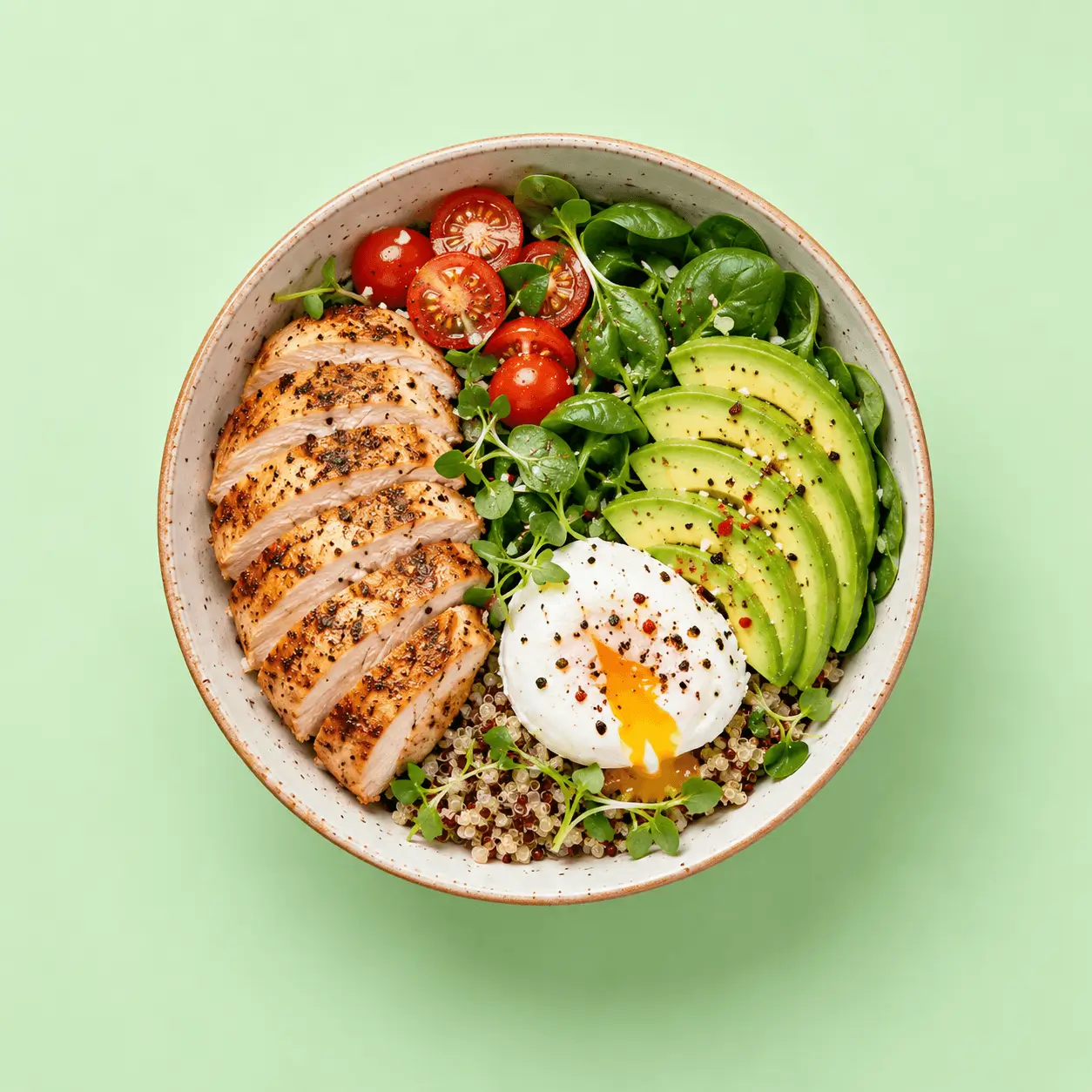
      Choose nutrient-dense options such as grilled chicken, eggs, tofu, or steamed vegetables. Combining protein and fiber can help create a more balanced meal.
    3. Add Healthy Fats:
      Include moderate portions of healthy fats such as avocado, walnuts, or olive oil to round out your meal.

    What to Avoid as Your First Bite

    • Sugary Pastries, Cereals, or White Bread: These can provide a rapid source of refined carbohydrates with limited nutritional value.
    • Large Fruit Smoothies: Avoid smoothies made with large amounts of fruit juice, syrups, or added sugar.
    • Deep-Fried or Very Spicy Foods: These may feel heavy or cause digestive discomfort for some people after fasting.
  • Why My Body Fat Can’t Go Down? (Breaking Plateaus)

    Why My Body Fat Can’t Go Down? (Breaking Plateaus)

    Discover the 4 hidden reasons why the scale stops moving during intermittent fasting and how to restart progress.

    Troubleshooting Your Fat Loss Plateau

    Fasting can help structure your eating pattern, but it does not override energy balance. If your weight has remained unchanged for two or more weeks, review the following factors.

    1. Caloric Overcompensation

    Eating your daily calories within an 8-hour window does not mean you can consume unlimited food. Calorie-dense and highly processed foods can still prevent a calorie deficit.

    2. Muscle vs. Body Fat Balance

    If you regularly strength train, you may be gaining lean muscle while losing body fat. In this case, the number on the scale may remain stable even as your waist circumference decreases.

    3. Water Retention & Stress

    Poor sleep and increased stress can contribute to temporary water retention, which may mask changes in body fat on the scale.

    Action Steps

    • Track Your Meals: Log your meals in NutritionIQ for 3 days to better understand your actual calorie intake.
    • Prioritize Protein: Aim for approximately 1.6 g of protein per kg of body weight if appropriate for your individual needs.
    • Prioritize Sleep: Aim for 7–8 hours of quality sleep each night to support recovery and overall health.