Tag: Fasting for Wellness

  • Fasting and Gut Microbiome Diversity

    Fasting and Gut Microbiome Diversity

    How giving your digestive tract a rest allows beneficial gut bacteria like Akkermansia to thrive.

    The Fasting Gut Reset

    Fasting changes the timing and availability of nutrients reaching the digestive system, which can influence gut function and the gut microbiome. However, the idea that fasting directly “resets” the gut is still being studied.

    What May Happen During a Fast

    • Changes in the Gut Microbiome: Fasting and changes in diet can alter the composition and activity of gut bacteria. Some studies have investigated changes in bacteria such as Akkermansia muciniphila, but the effects can vary depending on the individual and overall diet.
    • Reduced Digestive Activity: When no food is being consumed, there is less digestion and fermentation taking place in the gut. This may temporarily reduce symptoms such as fullness or bloating for some people, although fasting is not a proven treatment for food sensitivities or digestive disorders.
    • Gut Barrier Function: The gut lining continuously renews itself, but there is not enough evidence to conclude that routine intermittent fasting directly accelerates gut repair or reliably reduces intestinal permeability.

    Note: Persistent bloating, abdominal pain, diarrhea, or suspected food intolerances should be evaluated by a healthcare professional rather than managed through prolonged fasting alone.
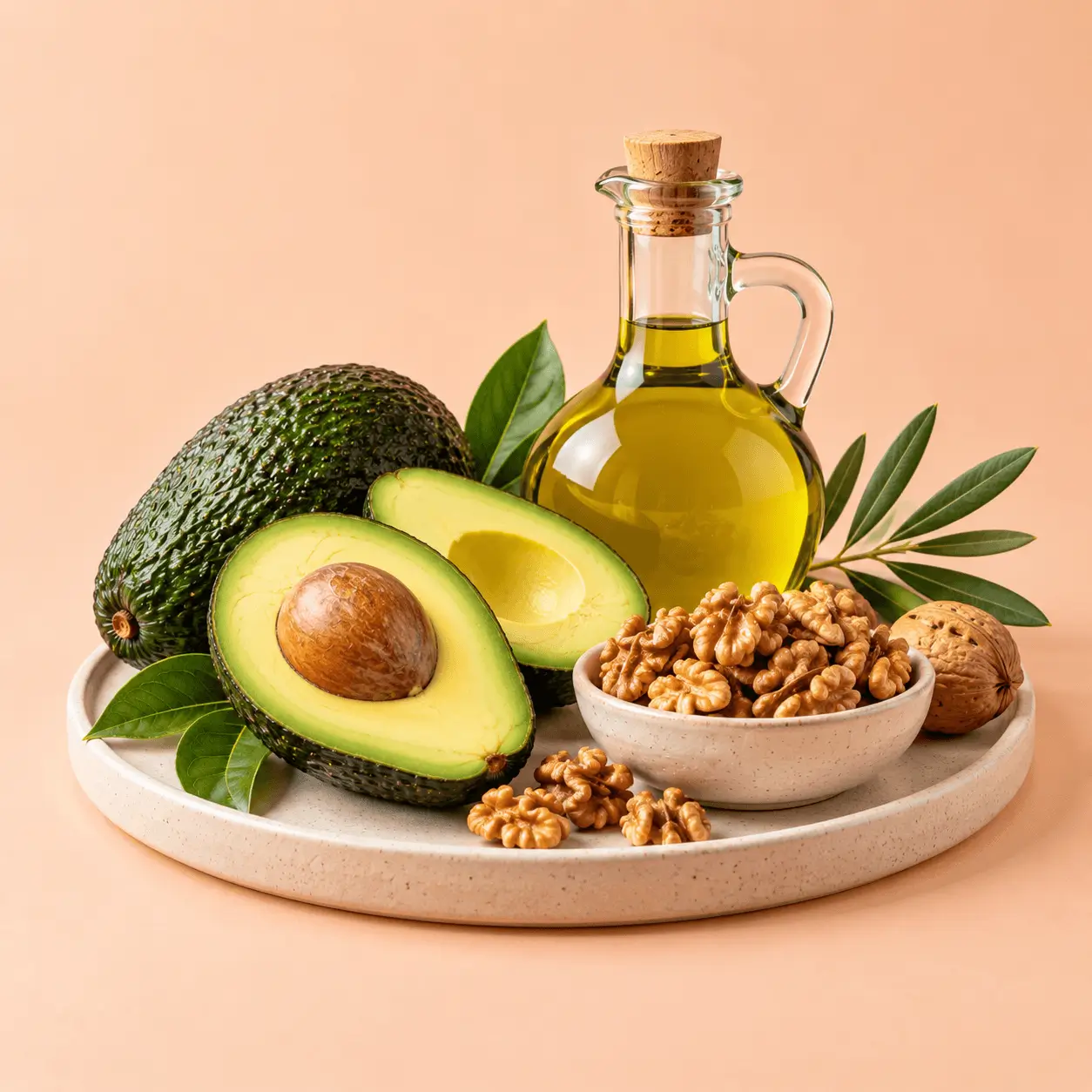

  • Fasting for Heart Health & Lipid Optimization

    Fasting for Heart Health & Lipid Optimization

    Clinical insights into how time-restricted feeding lowers triglycerides, reduces blood pressure, and supports arteries.

    Cardiovascular Benefits of Fasting

    Cardiovascular health is influenced by several factors, including blood pressure, blood lipids, insulin sensitivity, body weight, physical activity, and overall diet quality. Intermittent fasting may support some of these markers in certain individuals.

    Potential Cardiovascular Benefits

    • Triglyceride Levels: Weight loss and changes in meal timing associated with intermittent fasting may help reduce triglyceride levels in some people.
    • Blood Pressure: Intermittent fasting may contribute to modest improvements in blood pressure, particularly when it leads to healthy weight loss and improved metabolic health.
    • Inflammation: Some studies suggest that intermittent fasting may influence markers of inflammation, although results vary and more research is needed to determine its long-term cardiovascular effects.

    Note: Fasting should be considered one part of a heart-healthy lifestyle. Regular physical activity, a balanced diet, healthy body weight, adequate sleep, and appropriate medical care remain important for cardiovascular health. ❤️

  • Intermittent Fasting and Restorative Sleep

    Intermittent Fasting and Restorative Sleep

    Why finishing dinner 3 to 4 hours before bedtime dramatically improves REM sleep and deep cellular repair.

    The Digestion-Sleep Conflict

    Eating close to bedtime may affect sleep quality for some people. Digestion, meal size, food composition, and individual sensitivity can all influence how comfortable you feel at night.

    Why Late-Night Eating May Disrupt Sleep

    • Core Temperature & Digestion: After eating, metabolic activity and digestion can temporarily increase heat production. A large meal close to bedtime may make it harder for some people to feel comfortable while falling asleep.
    • Melatonin & Meal Timing: Meal timing can influence circadian rhythms and metabolic hormones, but the relationship between insulin, melatonin, and sleep is more complex than a direct cause-and-effect relationship.
    • The 2–3 Hour Buffer: Finishing a large meal around 2–3 hours before bedtime may help reduce digestive discomfort and support better sleep, particularly if you experience reflux or fullness at night. 🌙

    Tip: If late-night eating does not affect your sleep or digestion, there may be less reason to follow a strict cutoff. Focus on what works consistently for your routine.

  • Intermittent Fasting and Skin Health

    Intermittent Fasting and Skin Health

    Discover how lowering chronic systemic inflammation and insulin resistance clears breakouts and restores skin radiance.

    The Skin-Fasting Connection

    Fasting may influence metabolic and inflammatory processes that are also relevant to skin health. However, the direct effects of intermittent fasting on acne, redness, and collagen health are still being studied.

    Potential Ways Fasting May Support Skin Health

    • May Influence Sebum Production: Changes in insulin and other metabolic hormones may affect the pathways involved in oil production, although the direct impact of fasting on acne and sebum levels is not yet well established.
    • May Support a Healthy Inflammatory Response: Fasting can influence certain inflammatory pathways, but more research is needed to determine whether these changes consistently improve skin redness or sensitivity.
    • Supports Metabolic Health: Reducing excessive intake of added sugars may help limit processes such as glycation, which can affect collagen and other structural proteins over time.

    Note: Fasting should not be considered a treatment for acne or other skin conditions. A balanced diet, adequate hydration, sleep, and appropriate skincare remain important for maintaining healthy skin.

  • Autophagy: The Anti-Aging Cellular Cleanup

    Autophagy: The Anti-Aging Cellular Cleanup

    How fasting activates the Nobel Prize-winning cellular self-cleaning process that recycles old, damaged cell components.

    What Is Autophagy?

    Autophagy, meaning “self-eating,” is a natural cellular recycling process. When nutrients are limited, cells can break down and recycle damaged proteins and cellular components, helping maintain cellular function and quality.

    The Cellular Timeline

    The exact timing and extent of autophagy in humans is not fully established and may vary depending on factors such as fasting duration, nutrition, activity level, and individual metabolism.

    • During Fasting: Autophagy-related cellular processes may become more active as nutrient availability decreases.
    • Extended Fasting: Longer periods without food may increase autophagy-related activity, although the response varies across tissues and individuals.
    • Individual Response: There is currently no established fasting duration that reliably produces a specific level of autophagy in humans.

    Potential Health Benefits

    • Cellular Health: Autophagy helps remove and recycle damaged or dysfunctional cellular components.
    • Cellular Resilience: Efficient cellular recycling may help cells adapt to metabolic and environmental stress.
    • Healthy Aging: Autophagy is associated with cellular maintenance and has been studied for its potential role in healthy aging and longevity.

    Note: Many findings about autophagy and longevity come from laboratory and animal research. The exact benefits and fasting duration required to meaningfully increase autophagy in humans are still being studied.