Tag: Diet plans

  • Fasting on Travel Days: Airport Hacks and Jet Lag Recovery

    Fasting on Travel Days: Airport Hacks and Jet Lag Recovery

    Use time-restricted eating to conquer jet lag, airport junk food, and time-zone fatigue effortlessly.

    Traveling Without Compromising Health

    Travel can disrupt your usual eating, hydration, and sleep routines. Rather than relying on strict fasting during travel, focus on staying hydrated, choosing balanced foods, and gradually adjusting to the local schedule.

    The Jet Lag Protocol ✈️

    • Stay Hydrated During Flights: Drink water regularly throughout the flight. If you choose coffee or tea, keep caffeine moderate and consider how it may affect your sleep.
    • Plan Your Meals: You do not need to skip inflight meals simply because you are traveling. If you are hungry, choose a balanced option with protein, vegetables, and whole-food carbohydrates when available.
    • Adjust to Local Mealtimes: Once you arrive, gradually align your meals and sleep schedule with the local time. Consistent exposure to daylight and a regular sleep schedule can also help your body adjust to the new time zone.
    • Avoid Extreme Fasting: Long fasting periods are not necessary for managing jet lag and may leave you dehydrated, fatigued, or undernourished during travel.

    Tip: For longer trips, prioritize hydration, daylight exposure, movement, and a consistent sleep schedule alongside sensible meal timing. 🌀️

  • Smart Snacking: Healthy Bites for Your Window

    Smart Snacking: Healthy Bites for Your Window

    The best nutrient-dense snacks to enjoy between meals during your eating window without spiking blood sugar.

    Snacking with Purpose

    If you need a bridge between your main meals, choose snacks that provide protein, healthy fats, fiber, or other nutrients to help support steady energy and fullness.

    Top 4 Feeding Window Snacks

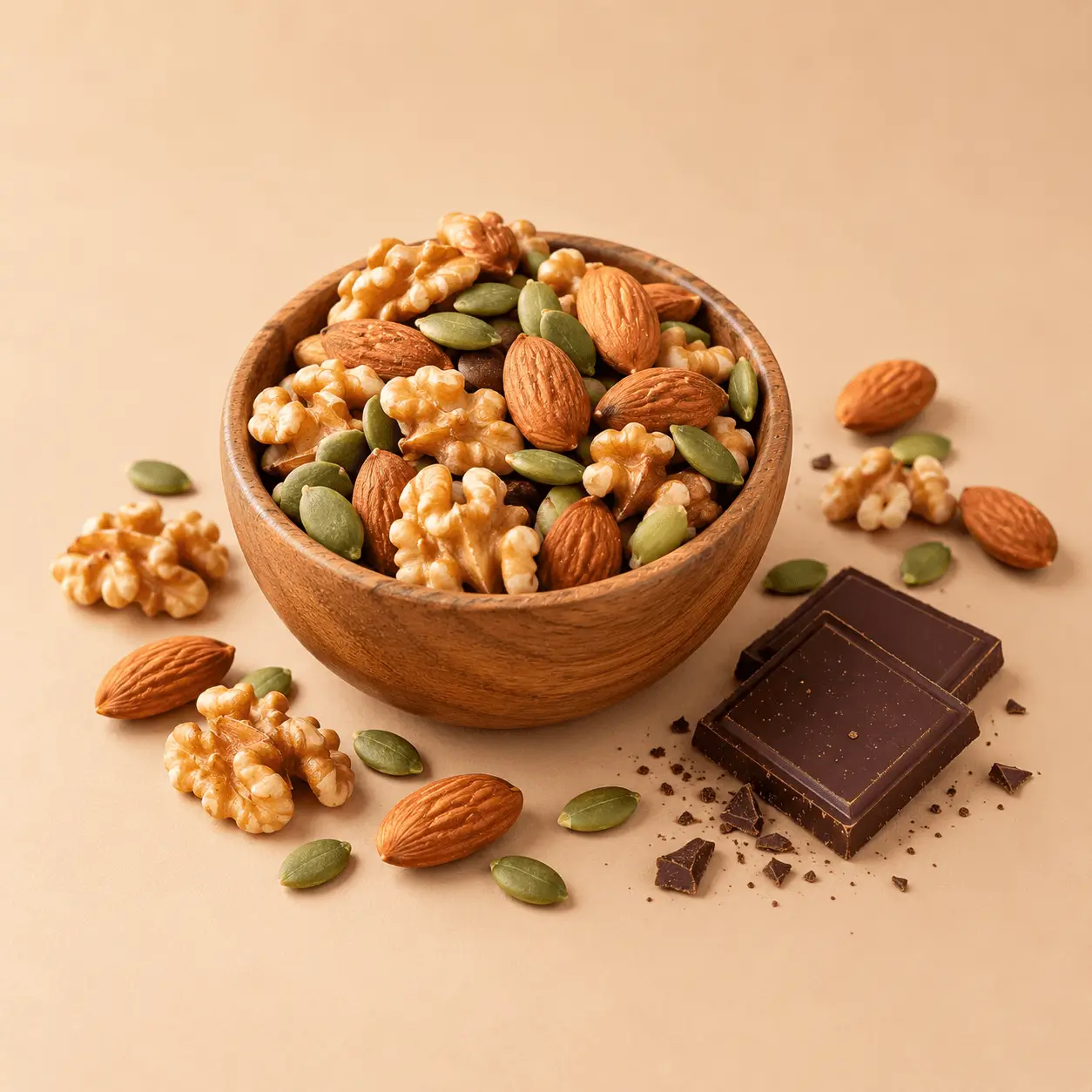
    1. Raw Nuts & Seeds:
      Walnuts, almonds, chia seeds, and similar options provide healthy fats, fiber, and plant-based nutrients. Keep portions moderate because they are calorie-dense.
    2. Hard-Boiled Eggs:
      Eggs provide complete protein, choline, and other essential nutrients, with minimal carbohydrates.
    3. 85%+ Dark Chocolate:
      Dark chocolate with a high cocoa content provides cocoa polyphenols and can be enjoyed in moderation. Choose varieties with minimal added sugar.
    4. Greek Yogurt with Berries:
      Greek yogurt provides protein, while berries add fiber and antioxidants. Choose unsweetened yogurt when possible. πŸ“
  • How to Prevent Post-Fast Bloating and Indigestion

    How to Prevent Post-Fast Bloating and Indigestion

    Simple chewing and food-combining tricks to prevent bloating when breaking an extended fast.

    Eliminating Post-Fast Bloat

    Eating a large meal quickly after fasting may cause bloating, fullness, or digestive discomfort for some people. A gradual and mindful approach can make the transition back to eating more comfortable.

    4 Rules for Comfortable Digestion

    • Eat Slowly: Take your time and chew your food thoroughly. Slower eating can help you recognize fullness and may reduce the likelihood of overeating.
    • Start With Easily Tolerated Foods: If large amounts of raw vegetables tend to cause discomfort, begin with cooked or steamed vegetables and gradually increase your intake.
    • Drink Fluids Normally : You do not need to avoid drinking water with meals. Sip fluids according to your thirst rather than consuming a very large amount at once.
    • Avoid an Oversized First Meal: After a long fasting period, start with a moderate, balanced meal containing protein, carbohydrates, healthy fats, and fiber rather than eating a very large portion immediately.
  • How to Handle Social Pressure When Dining Out

    How to Handle Social Pressure When Dining Out

    Practical social strategies to navigate questions, peer pressure, and late dinners with confidence.

    Navigating Social Situations Like a Pro

    You do not need to explain your intermittent fasting routine to everyone you dine with. A flexible approach can help you enjoy social occasions while staying consistent with your overall goals.

    3 Social Strategies

    • Keep Your Explanation Simple: If someone asks why you are not eating, a simple response such as β€œI ate a little later today” can help you avoid an unnecessary discussion.
    • Choose a Fasting-Friendly Drink: Sparkling water with lime can be a refreshing option while socializing during your fasting window.
    • Adjust Your Eating Window: If you know you have dinner planned for 8:30 PM, you can shift your eating window later that day so the meal fits comfortably within your schedule.

    Tip: One flexible day does not have to disrupt your overall routine. Focus on consistency over perfection.

  • Coffee During Fasting: Black, Bulletproof, or None?

    Coffee During Fasting: Black, Bulletproof, or None?

    The definitive guide to how coffee impacts fasting, autophagy, and hunger suppression.

    The Role of Coffee in Fasting

    Black coffee can be a useful beverage during a fasting window because it contains very few calories when consumed without added ingredients. However, its effects on appetite, fat oxidation, and autophagy can vary between individuals.

    What Black Coffee May Do

    • May Help Manage Appetite: Caffeine can temporarily reduce feelings of hunger for some people. Coffee also contains bioactive compounds that may influence appetite and metabolism.
    • May Support Fat Oxidation: Caffeine can increase the use of fatty acids for energy during certain conditions. However, this does not necessarily translate into greater long-term fat loss.
    • Autophagy Research: Coffee has been associated with cellular processes related to autophagy in laboratory and animal research. The extent to which drinking coffee increases autophagy during fasting in humans is still not fully established.

    What About Butter or MCT Oil (Bulletproof Coffee)?

    Butter and MCT oil provide calories, so adding them to coffee technically changes a calorie-free fast. While dietary fat generally has a smaller immediate effect on insulin than carbohydrates, it still provides energy that contributes to your daily calorie intake.

    If fat loss is your primary goal, plain black coffee is generally the simpler choice during your fasting window. β˜•

    Note: Keep caffeine intake moderate and consider your individual sensitivity. Avoid or limit caffeine if it causes anxiety, digestive discomfort, sleep problems, or other unwanted effects.

  • Conquering Social Dinners and Weekend Fasting

    Conquering Social Dinners and Weekend Fasting

    How to adjust your fasting windows flexibly so you never have to decline a party or family dinner.

    Fasting Fits Your Life, Not the Other Way Around

    Rigid diets can be difficult to maintain because everyday life includes birthdays, late business dinners, weekend brunches, and social events. Intermittent fasting can be flexible, allowing you to adjust your eating window when needed.

    3 Strategies for Social Events

    1. Shift the Window: If you have an 8:00 PM dinner, adjust your eating window earlier or later that day to accommodate the meal. Focus on maintaining a routine that feels sustainable rather than following an exact schedule.
    2. Return to Your Routine: If you have a larger or later meal than usual, simply return to your regular fasting schedule the following day. There is generally no need to compensate with an extreme fast.
    3. Dining Out Tactic: Start with water or sparkling water, choose a balanced meal with lean protein and vegetables, and enjoy your food without guilt. πŸ₯—

  • What Can You Drink During Fasting Hours?

    What Can You Drink During Fasting Hours?

    The definitive green-light, yellow-light, and red-light beverage guide to avoid accidentally breaking your fast.

    The Beverage Rules of Fasting

    During a fasting period, beverages containing calories or significant amounts of carbohydrates, protein, or other nutrients can affect the metabolic state of the fast. The exact effect can vary depending on your fasting goal.

    🟒 Green Light β€” Generally Compatible

    • Pure Water: Still, mineral, or carbonated sparkling water without added sugar or calories.
    • Black Coffee: Plain espresso, Americano, or cold brew without sugar, milk, or cream. Keep caffeine intake moderate according to your individual tolerance.
    • Unsweetened Tea: Green tea, black tea, peppermint tea, chamomile tea, and other unsweetened herbal teas are generally compatible with fasting.

    🟑 Yellow Light β€” Use With Consideration

    • Stevia or Monk Fruit: These sweeteners are generally very low or zero calorie, but they may maintain a preference for sweetness or increase cravings in some people.
    • Apple Cider Vinegar: A small amount diluted in water is unlikely to provide significant calories, but evidence that it meaningfully improves fasting outcomes is limited. Avoid drinking it undiluted because it can damage tooth enamel and irritate the digestive tract.

    πŸ”΄ Red Light β€” Generally Ends a Strict Fast

    • Milk & Cream: Contain calories, carbohydrates, and sometimes protein, which can affect a strict fast.
    • Fruit Juices & Smoothies: Contain carbohydrates and calories and therefore do not fit a strict calorie-free fasting window.
    • BCAAs & Protein Powders: Provide amino acids and calories, so they are generally not compatible with a strict fast.

    Note: What β€œbreaks a fast” depends on your goal. A fasting approach focused on calorie restriction may differ from one focused on specific metabolic or cellular effects.

  • Intermittent Fasting vs. Traditional Calorie Restriction

    Intermittent Fasting vs. Traditional Calorie Restriction

    Why time-restricted eating preserves your resting metabolic rate better than eating 6 small meals a day.

    Metabolic Rate Comparison

    Traditional calorie-restricted diets may involve eating several small meals throughout the day while maintaining a calorie deficit. When calorie intake remains too low for an extended period, the body can adapt by reducing energy expenditure.

    How Fasting May Support Metabolic Health

    • Hormonal Changes: During fasting, hormones such as norepinephrine and human growth hormone may increase. These changes can help the body mobilize stored energy, although they do not guarantee that metabolic rate will remain unchanged.
    • Insulin Reduction: Insulin levels generally decrease during fasting, which allows the body to increase its use of stored fat for energy.
    • Psychological Ease: For some people, eating two satisfying, nutrient-dense meals can feel easier to maintain than eating small portions throughout the day. The most effective approach is the one that fits your preferences and can be sustained consistently.
  • What to Eat When You Break Your Fast

    What to Eat When You Break Your Fast

    The golden rules for opening your eating window to avoid digestive distress and sustain fat burning.

    The Art of the Break-Fast

    How you break your fast can be just as important as the duration of the fast itself. Choosing balanced, nutrient-dense foods can help you transition back to eating comfortably and avoid unnecessary energy crashes or cravings.

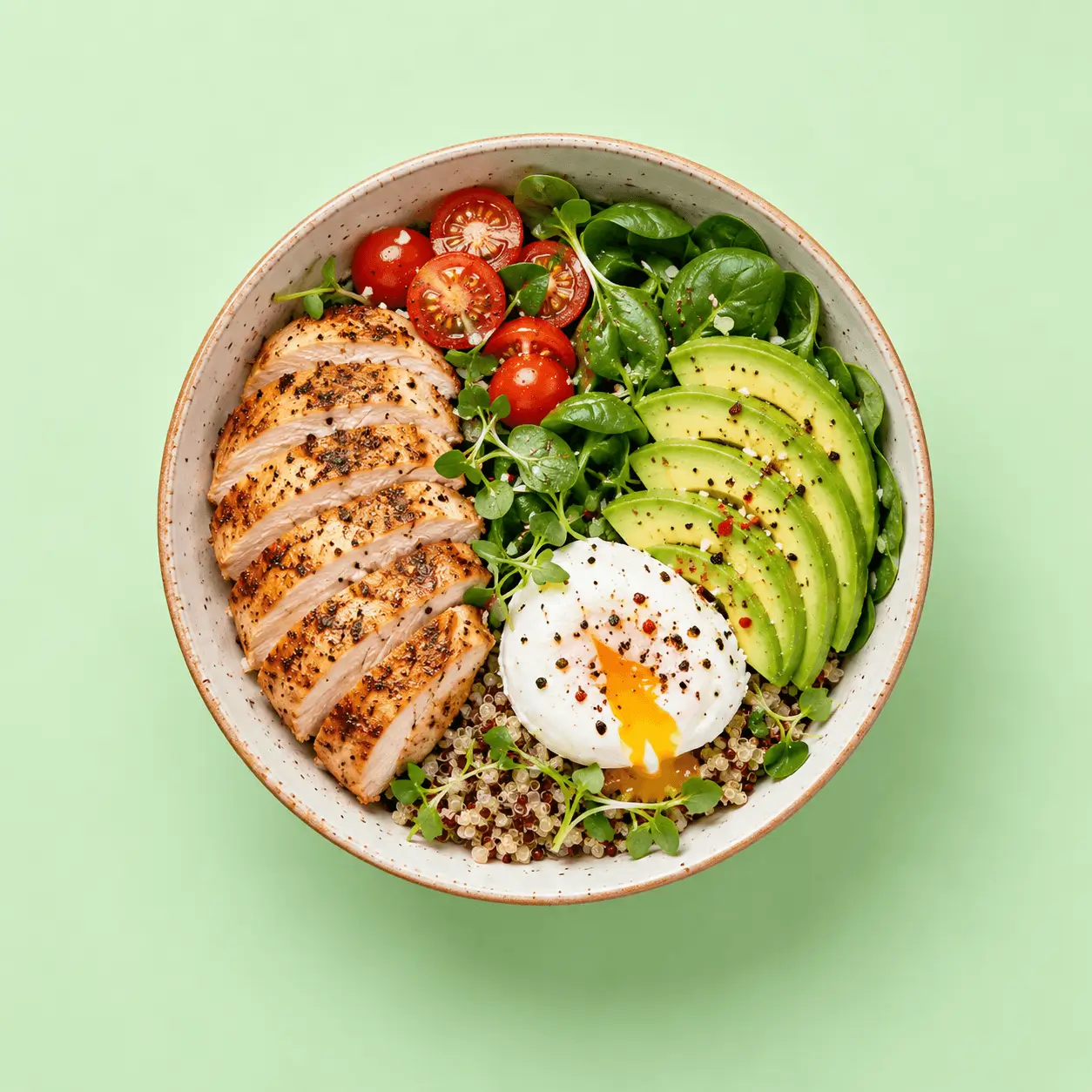
    The 3-Step Break-Fast Formula

    1. Hydrate First:
      Start with a glass of water before your meal. If you enjoy it, you can add a small amount of lemon for flavor.
    2. Start with Lean Protein & Fiber:
      Choose nutrient-dense options such as grilled chicken, eggs, tofu, or steamed vegetables. Combining protein and fiber can help create a more balanced meal.
    3. Add Healthy Fats:
      Include moderate portions of healthy fats such as avocado, walnuts, or olive oil to round out your meal.

    What to Avoid as Your First Bite

    • Sugary Pastries, Cereals, or White Bread: These can provide a rapid source of refined carbohydrates with limited nutritional value.
    • Large Fruit Smoothies: Avoid smoothies made with large amounts of fruit juice, syrups, or added sugar.
    • Deep-Fried or Very Spicy Foods: These may feel heavy or cause digestive discomfort for some people after fasting.
  • Choosing the Right Fasting Schedule for Your Lifestyle

    Choosing the Right Fasting Schedule for Your Lifestyle

    Compare 12:12, 14:10, and 16:8 to discover the exact routine that fits your work and family schedule.

    Finding Your Fasting Rhythm

    The best fasting schedule is one that fits naturally into your daily routine and can be maintained consistently without causing unnecessary fatigue or stress.

    Popular Fasting Protocols

    12:12 Circadian Fast

    Fast for 12 hours and eat within a 12-hour window. For example, finish dinner by 8:00 PM and have breakfast at 8:00 AM. A gentle starting point for beginners.

    14:10 Gentle Fast

    Fast for 14 hours with a 10-hour eating window. This can be a practical next step for those gradually adapting to time-restricted eating.

    16:8 Fasting

    Fast for 16 hours with an 8-hour eating window, such as eating between 12:00 PM and 8:00 PM. This is one of the most commonly used fasting schedules.

    3 Steps to Transition Smoothly

    1. Gradually Delay Breakfast

    Move your first meal later by 30–60 minutes every 2–3 days. Gradual changes can make the transition easier to maintain.

    2. Finish Eating Earlier

    Try to avoid unnecessary snacking after dinner and establish a consistent evening cutoff for food.

    3. Start Your Morning with Water πŸ’§

    Rehydrate after waking by drinking water. A consistent hydration routine can help you begin the day feeling refreshed.